



If you live in an apartment with a dog, you’ve probably wondered whether a GPS collar is worth it. And if you have looked into GPS collars, you’ve likely run into two very different options that sound similar but behave very differently: GPS fence collars and GPS trackers.
They both use GPS. They both involve apps. They both promise peace of mind.
But they are not interchangeable, especially for apartment dogs.
So let’s answer the real question apartment dog parents are asking: Which one actually makes sense for apartment living?
Short answer (and yes, we’ll go deeper):
👉 For apartment dogs, a GPS tracker is usually the better choice. But there are a few very real exceptions.
GPS fence collars are designed for dogs who spend time off-leash in large, consistent outdoor areas. GPS trackers are built for recovery, travel, and real-world “oops” moments, which is what apartment dog parents usually need.
You may also like: 9 Indoor Dog Training Tips For Apartment Dwellers
What’s the Difference, Really?
Before comparing which is “better,” it helps to understand what each device is actually meant to do.
What a GPS Fence Collar Is Designed For
A GPS fence collar creates a virtual boundary using satellite data. You draw a fence on a map, and if your dog crosses that boundary, the collar responds with alerts and (depending on settings) feedback.
The core goal is containment.
Tools like the Halo Collar 5 are built around this idea. They’re especially useful for dogs who spend time off-leash in yards, rural properties, or wide-open spaces where physical fencing isn’t practical.
The big question a GPS fence collar answers is:
“Can my dog stay safely within this outdoor area?”
Marketed as the most accurate GPS dog fence available, the Halo Collar 5 lets you create, edit, and store unlimited fences (starting at 30 x 30 feet). It fits dogs with neck sizes from 8–30.5 inches. Beyond containment, it offers near pin-point GPS tracking to help locate lost dogs quickly, along with built-in training tools and activity monitoring—all in one collar.
Top Features:
- 48-hour battery life
- AlwaysOn™ GPS
- Real-time tracking
- All-carrier cellular coverage worldwide.
LIMITED TIME OFFER
SAVE $154 ON HALO COLLAR 5
Discount applied at checkout. Hurry! Ends soon!

What a GPS Tracker Is Designed For
A GPS tracker doesn’t try to contain your dog. It tracks them.
Live location, movement history, alerts if they leave a designated area, and tools to help you find them quickly if they get loose.
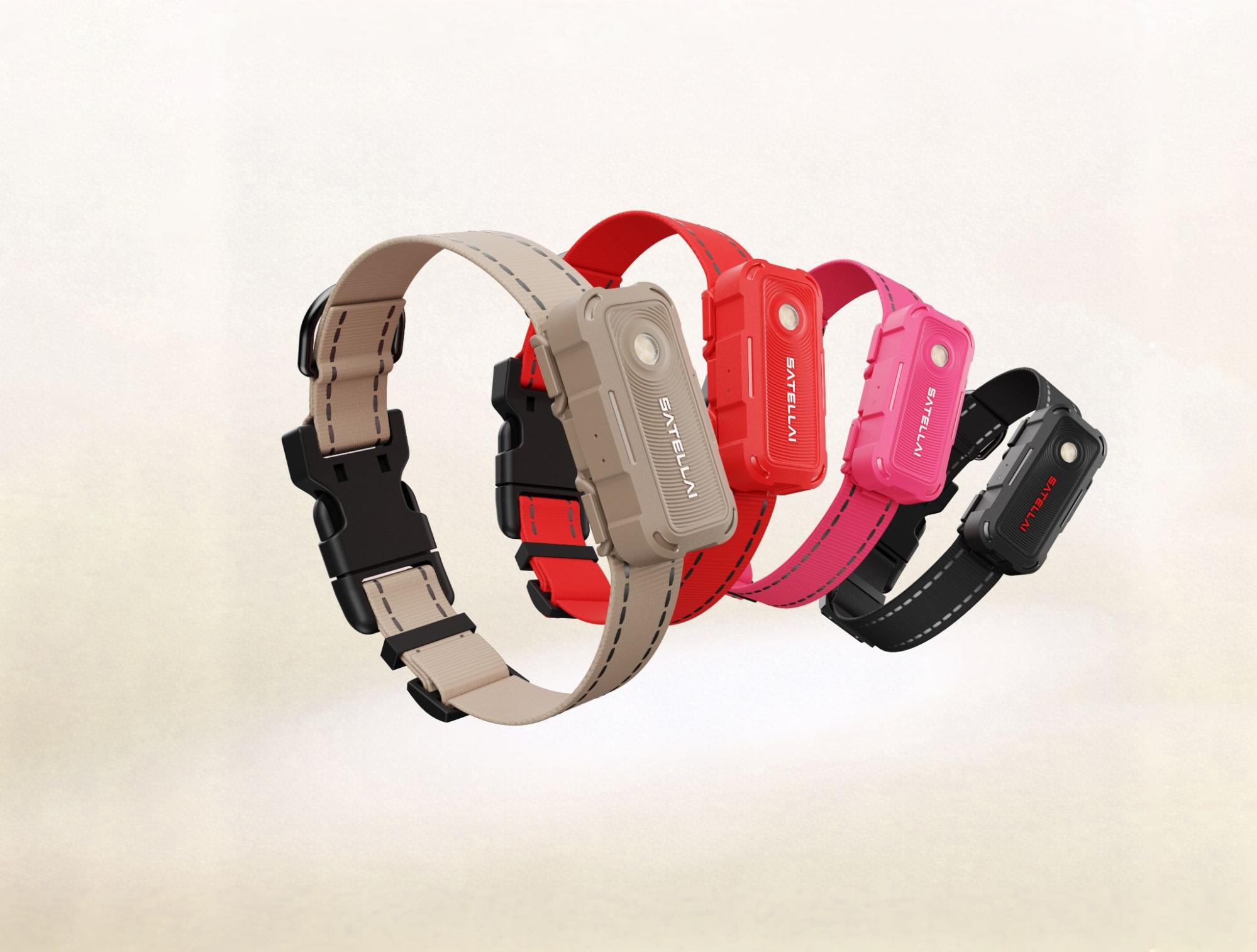
A tracker like SATELLAI Go focuses on awareness rather than enforcement. It’s about knowing where your dog is, not telling them where they’re allowed to be.
The key question a GPS tracker answers is:
“If my dog gets out, can I find them fast?”
SATELLAI Collar Go is a feature-packed GPS dog collar designed for real-world safety and total peace of mind. It offers live GPS tracking with worldwide coverage, customizable virtual boundaries, activity and health monitoring, and smart extras like LED visibility and AI-powered insights. Built for travel, adventure, and everyday life, it goes well beyond basic tracking.
GUARANTEED BEST PRICE
SAVE AN EXTRA 20% WITH TECHCOGO AT CHECKOUT
Why Apartment Living Changes Everything
Most GPS fence systems are designed with a very specific environment in mind: a stable, outdoor space you control.
Apartment life doesn’t really offer that.
1. You Don’t Have One “Boundary”
Apartment dogs deal with constantly changing environments:
- Sidewalks
- Shared courtyards
- Parking lots
- Dog parks
- Different walking routes every day
A GPS fence collar works best when boundaries stay put. Apartment life is the opposite of that.
Yes, you can draw and redraw fences. But that adds friction, and friction is usually where tech stops being helpful and starts being annoying.
2. GPS Indoors Is… Imperfect
This part matters more than marketing pages let on.
GPS relies on satellite signals. Inside apartment buildings, those signals can be:
- Weaker
- Slightly delayed
- A bit off location-wise
That’s usually not a big deal for tracking, but it can cause problems when you’re trying to enforce tight boundaries around a building. False alerts and “technically outside the fence” moments aren’t uncommon.
3. Most Apartment Dogs Are Leashed Anyway
Real talk: apartment dogs don’t usually roam freely outdoors.
They’re:
- On leash
- Supervised
- Navigating shared spaces
Which means the primary benefit of a GPS fence, off-leash containment, often doesn’t come into play on a daily basis.
Where a GPS Fence Collar Can Still Make Sense
All of that said, GPS fence collars aren’t useless for apartment dogs. They’re just more niche.
A GPS fence collar might make sense if:
- You regularly travel with your dog to cabins, campsites, or family property
- You split time between an apartment and a home with a yard
- You want temporary off-leash boundaries in open spaces
- You’re layering containment with training tools
This is where something like the Halo Collar 5 can be genuinely useful, because the fences are flexible and portable.
The key thing to notice, though, is that these use cases are about what you do outside the apartment, not apartment life itself.
It’s not about apartment life itself, it’s about what you do outside of it.
Why GPS Trackers Usually Win for Apartment Dogs
For most apartment dog parents, the biggest fear isn’t a dog wandering a yard.
It’s this:
- A door not fully latched
- A dropped leash
- A slipped harness
- A panicked bolt during fireworks or construction noise
Those moments are unpredictable, and they’re exactly where GPS trackers shine.
Why Trackers Fit Apartment Life Better
They’re recovery-focused.
If your dog gets loose, you’re not guessing. You’re following a map.
They don’t require setup gymnastics.
No fences to manage. No zones to redraw every time you walk a different route.
They’re travel-friendly.
City, suburb, vacation rental, friend’s house. The tracker works the same everywhere.
They’re usually lighter and lower-profile.
Which matters for everyday wear, especially for smaller dogs.
Trackers like SATELLAI Go lean into this simplicity. They’re built for real-world movement, not idealized environments. insights, and alerts without trying to manage behavior or containment.
Side-by-Side Reality Check
Here’s the practical breakdown most apartment dog parents care about:
- GPS fence collars are about preventing wandering in controlled spaces
- GPS trackers are about recovering dogs in uncontrolled ones
Apartment living is, by definition, an uncontrolled environment.
| Feature | GPS Fence Collar | GPS Tracker |
|---|---|---|
| Best for | Homes with yards and large outdoor spaces | Apartments, urban areas, and travel |
| Primary purpose | Containment and boundary enforcement | Location tracking and recovery |
| Apartment fit | Situational | Excellent |
| Setup required | Yes | Minimal |
What Most Apartment Dog Parents Actually Need
This is the part that gets missed in a lot of comparison posts.
Most apartment dog parents aren’t asking,
“How do I keep my dog inside a boundary?”
They’re asking,
“If something goes wrong, how fast can I get my dog back?”
That’s a tracker problem, not a fence problem.
A Balanced Recommendation (No One-Size-Fits-All Energy)
If you’re choosing one device primarily for apartment living:
✔ Start with a GPS tracker.
If later you realize you want off-leash boundaries for specific situations, then adding a GPS fence collar can make sense.
But starting with a fence-first approach in an apartment often creates more complexity than safety.
Final Takeaway
For apartment dogs, GPS trackers are usually the smarter, simpler choice.
They align with how apartment dogs actually live, leashed walks, shared spaces, and the occasional unexpected escape.
GPS fence collars absolutely have their place. But for most apartment setups, they’re a secondary tool, not the foundation.
And when it comes to keeping your dog safe, practical beats complicated every time.
Once you know which category fits your situation, the Best GPS Dog Fence Tracker 30-second Match Quiz can help you narrow down the actual model, whether you land on a fence collar or a tracker.






Leave a Comment