


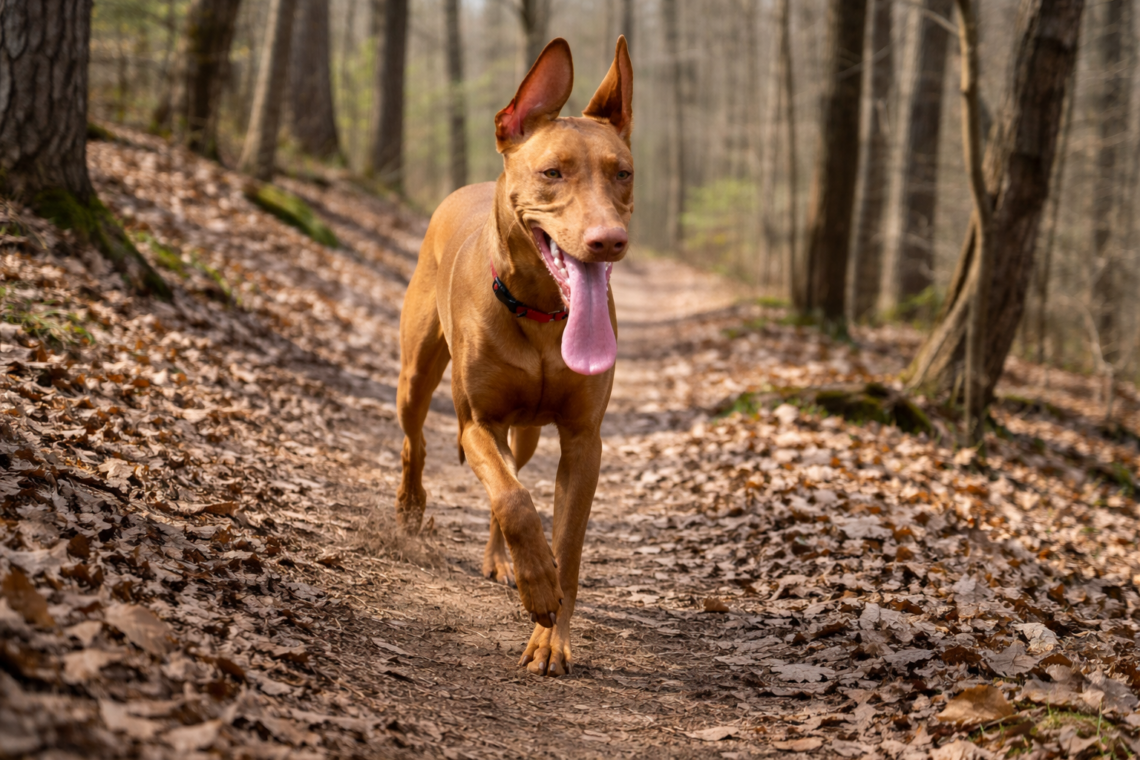

TL;DR – What To Do If Your Off-Leash Dog Gets Lost
- • First Move: Stop chasing, stay calm, and return to the last known location.
- • Act Fast: Call shelters, animal control, and vets immediately—don’t wait to “see if they come back.”
- • Use Tech: If you have a GPS collar or tracker, check live location data right away.
- • Search Smart: Work outward from the point of last seen, check edges and hiding spots, and avoid shouting or chasing.
💡 Why it’s worth your scroll: A calm, strategic plan dramatically increases the odds of bringing your dog home quickly—and prevention layers (ID, microchip, GPS) make all the difference.
There is a very specific kind of panic that hits when you turn around and your dog isn’t there.
It’s the stomach-dropping moment every dog owner dreads. One second, your pooch is chasing a squirrel with pure, unadulterated joy; the next, she’s disappeared into the thin air, and you’re suddenly hit with the panicked reality of what to do if your off-leash dog gets lost.
First off: Breathe. I know your heart is racing and you’re probably spiraling into “what ifs,” but right now, your dog needs you to be the person with the plan. It happens to the best of us—even the most well-trained pups can get distracted by a “high-value” scent or a sudden noise. Getting lost doesn’t make you a bad dog parent; it just means we need to shift into recovery mode, fast.
In this post, we’re going to skip the lectures and get straight to the “doing.” From the immediate steps you should take before leaving the trail to the digital trail you need to start blazing online, here is exactly how to bring your best friend home.
What to Do When Your Off-Leash Dog Gets Lost: A Step by Step Guide
When the panic sets in, your instinct is probably to run in every direction at once. But strangely enough, the best thing you can do for the first hour is often the hardest: stay put.
Here is exactly what to do in those first critical moments on the scene:
Don’t Chase. Pause.
I know. Your instinct is to sprint. But if your dog is loose and already amped up, chasing can flip the situation from “wandering” to “game on.”
Instead:
- Stop moving.
- Call in a calm, normal voice.
- Turn your body slightly sideways (less confrontational).
- Drop low or sit if you can.
- Use your happy recall cue (NOT your “we are going home right now” voice).
If you have high-value treats, hold them out. You can also squeak a toy or even sit on the ground and pretend you found something fascinating. Curiosity brings a lot of dogs back faster than panic does.
If they’re truly gone from sight, move to the next step quickly.
Step 1: Mark the Last Known Location
Before you start wandering aimlessly:
- Drop a pin on your phone.
- Take note of nearby landmarks.
- Leave something with your scent if you’re in a wooded area (shirt, bandana, etc.).
📍 Pro Tip: Create a Scent Anchor
If you’re in a wooded or rural area, leave something with strong scent at the Point of Last Seen—a worn shirt, bandana, or even your dog’s blanket if it’s in the car. Many dogs will circle back to familiar smells once the adrenaline fades, and having a clear scent marker increases the odds they linger in one spot instead of continuing to wander.
Step 2: Use Tech Immediately (If You Have It)
This is where modern tools genuinely matter.
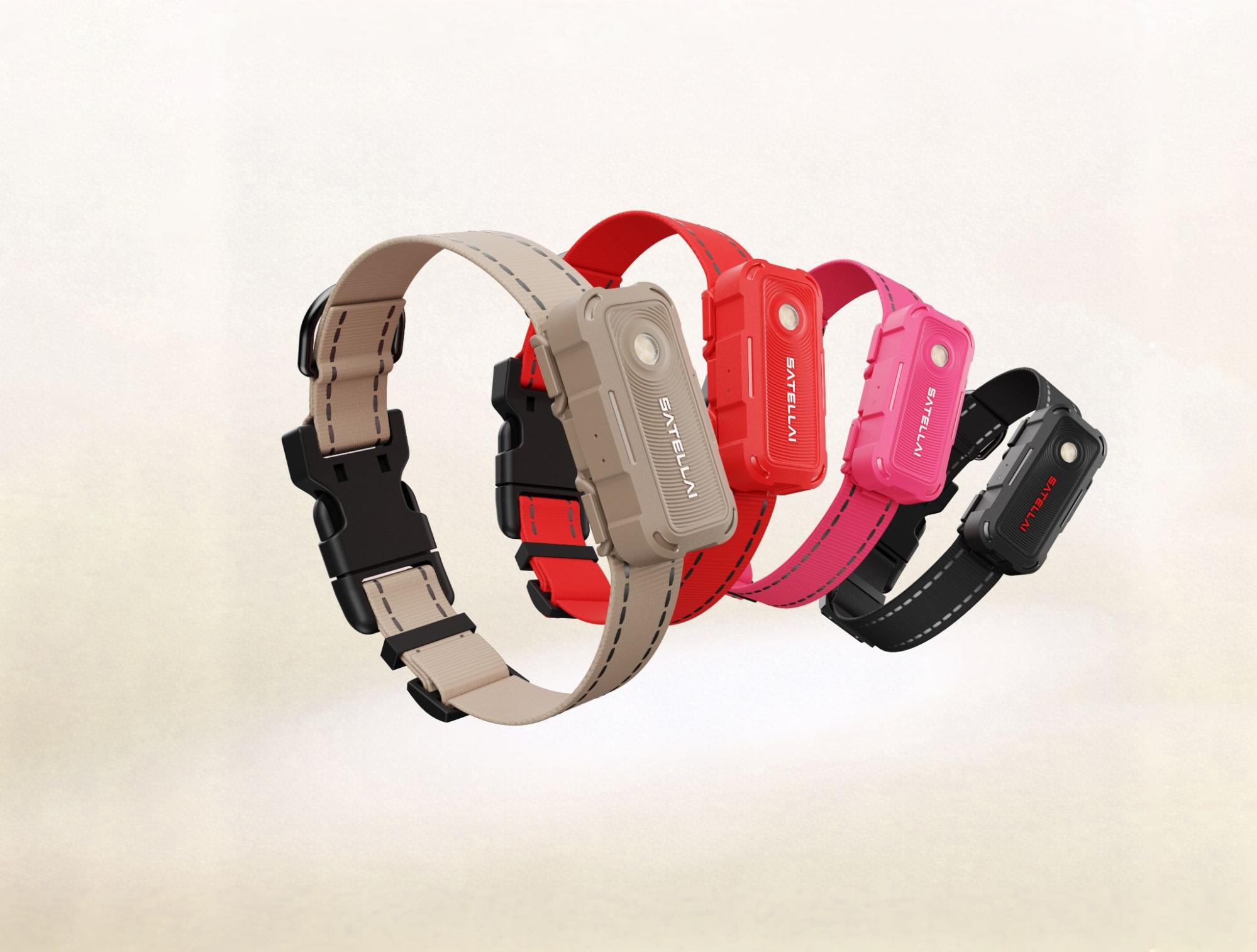
If your dog is wearing a GPS tracker like the SATELLAI Collar Go, open the app immediately and check live location tracking. Don’t wait “just in case.” This is what it’s for.
The SATELLAI gives you real-time updates, which is critical. Not “last seen 20 minutes ago.” Real movement.
SATELLAI Collar Go is a feature-packed GPS dog collar designed for real-world safety and total peace of mind. It offers live GPS tracking with worldwide coverage, customizable virtual boundaries, activity and health monitoring, and smart extras like LED visibility and AI-powered insights. Built for travel, adventure, and everyday life, it goes well beyond basic tracking.
LIMITED TIME OFFER
SAVE $30 WITH COUPON CODE TECHCOGO
If your dog slipped past a virtual boundary and you use a GPS fence like the Halo Collar 5, you’ll also get an alert the second they cross the line.
Halo Collar isn’t just containment. It’s awareness. That instant notification can shave off precious minutes. And minutes matter.
Marketed as the most accurate GPS dog fence available, the Halo Collar 5 lets you create, edit, and store unlimited fences (starting at 30 x 30 feet). It fits dogs with neck sizes from 8–30.5 inches. Beyond containment, it offers near pin-point GPS tracking to help locate lost dogs quickly, along with built-in training tools and activity monitoring—all in one collar.
Top Features:
- 48-hour battery life
- AlwaysOn™ GPS
- Real-time tracking
- All-carrier cellular coverage worldwide.
⭐BEST PRICE ON THE WEB ⭐
SAVE $125 ON HALO COLLAR 5!

If you don’t have either? We’ll talk prevention later. For now, move fast.
Step 3: Call Immediately (Don’t Wait “To See If They Come Back”)
📞 First 30 Minutes: Make These Calls
Who to Contact
- Local animal control
- Nearby shelters & humane societies
- Local veterinary offices
- Non-emergency police (if residential area)
What to Tell Them
- Breed & color
- Approximate size
- Collar description
- Microchip details
- Your phone number
Pro move: Ask if you can email a photo immediately. A clear picture in their inbox makes your dog far easier to identify during intake.
Calling immediately matters because the system moves faster than you think. If someone finds your dog, they’re likely taking them straight to animal control, a shelter, or a vet to scan for a microchip, not posting in a Facebook group first.
Reporting your dog missing right away puts your information into their system before intake is finalized and creates a documented record that someone is actively searching. That early call can be the difference between your dog sitting as an unidentified stray and staff recognizing, “Oh, we just got a call about this one.”
Step 4: Activate the Internet
This is not the moment to be shy.
Post immediately on:
- Local lost & found pet Facebook groups
- Nextdoor
- PawBoost
- Petco Love Lost
- Ring Neighbors (if available)
Include:
- Clear photo
- Exact location last seen
- Time
- Temperament (friendly? shy? won’t approach strangers?)
- Your phone number
And here’s something important:
If your dog is shy or skittish, tell people not to chase. Ask them to report sightings instead. Chasing pushes a scared dog farther out.
Step 5: Physical Search Strategy (Yes, There’s a Strategy)
🔎 Search Smart: Physical Search Snapshot
- • Start at Center: Return to the Point of Last Seen and use a “star” pattern—walk out, then back to center in each direction.
- • Stay Calm: Talk or hum in a normal voice. Shouting can push a scared dog farther away.
- • Look Low & Follow Edges: Check under decks, cars, brush, and along fence lines or tree lines. Frightened dogs hug cover.
- • Control the Crowd: Assign helpers specific areas and one rule—do not chase. Sit, stay calm, and call you if they spot your dog.
Bottom line: Calm, methodical searching covers more ground than frantic pacing ever will.
If you’re going to search, search with intention. Random zig-zag panic walking feels productive. It usually isn’t.
Start With a “Star” Pattern
Go back to the Point of Last Seen and treat it like your anchor. From there, walk out in one direction about a quarter mile, then come back to center. Repeat in the opposite direction. Then the other two sides.
You’re basically drawing a star with your feet.
Why it works:
Dogs often circle back. Staying anchored keeps you near the most likely reunion point, and every time you return to center, you’re building up your scent there. Think of it as creating a “home base” your dog can smell.
Talk. Don’t Yell.
This feels counterintuitive, but yelling your dog’s name over and over can actually make things worse, especially if they’re scared.
When dogs flip into survival mode, loud, frantic shouting can sound like danger, not comfort.
Instead, use your normal voice. Talk casually. Hum. Sing something familiar. (Yes, you will feel ridiculous. Do it anyway.)
Your dog can hear you from farther away than you realize, and a calm voice signals safety. Not urgency.
Think Low and Think Edges
We scan at eye level. Your dog is likely crouched, tucked under something, or moving along the perimeter of an area.
Check:
- Under porches and decks
- Behind sheds
- Under parked cars
- Inside culverts
- Thick brush
And pay attention to “edges.” Scared dogs often travel along fence lines, tree lines, the side of a field, or the shoulder of a road instead of crossing open space. Edges feel safer.
If You Recruit Help, Keep It Calm
Extra eyes are great. A crowd is not.
Assign people specific areas and make one rule very clear: Do not chase.
If someone spots your dog, they should sit down, turn slightly away, and call you. A group of people running and shouting will push a nervous dog farther out every time.
Calm wins. Strategy wins.
Panic just burns energy.
When to Consider Professional Help
If 24–48 hours pass without solid sightings, it may be time to contact:
- Local pet recovery volunteers
- Professional tracking dogs
- Drone search services (yes, this is a thing now)
Search-and-rescue handlers can track scent trails you can’t even perceive. Especially helpful in wooded or rural areas.
How to Prevent an Off-Leash Dog from Getting Lost in the First Place
Prevention is the best medicine, but let’s be real: “perfect recall” is a myth for about 99% of dogs. Even the most obedient pup can have a “brain-fart” moment if a deer jumps out.
Instead of aiming for perfection, aim for layers of safety. Here is how to enjoy off-leash time without the constant low-grade anxiety:
🛡️ Prevention Snapshot: Layer Your Protection
- • Visible ID: A secure collar and readable tag with your current phone number (and city) are your first line of defense.
- • Microchip Backup: Keep registration updated and add secondary contacts. It’s passive ID—but incredibly powerful.
- • GPS Insurance: Consider a GPS collar or tracker if your lifestyle includes off-leash hiking, travel, or wide-open spaces.
- • Real-World Recall: Practice in distracting environments and build a strong emergency cue.
- • Check Before You Go: Collar fit, hardware, batteries, surroundings—quick checks prevent big problems.
Bottom line: One safeguard is helpful. Layers are what bring dogs home faster.
1. Layer Your Identification
Start with the basics:
- A well-fitted collar that won’t slip
- A readable ID tag with your phone number (and ideally your city)
- A registered microchip with updated contact info
Microchips are not trackers. They don’t ping your phone. They’re passive ID. But if your dog ends up at a shelter or vet, that chip is often the fastest way home.
And please actually log in and check your registration once a year. People move. Phone numbers change. Databases don’t magically update themselves.
Redundancy is your friend here. Collar + tag + chip.
2. Consider GPS as Insurance, Not a Luxury
If your dog regularly hikes off-leash, camps, travels, or has even a hint of wanderlust, GPS collars or trackers are worth serious consideration.
Not because you expect your dog to bolt. But because dogs are animals. And animals have moments.
A GPS fence collar or tracker gives you location data instead of guesswork. It shortens search time dramatically. And if you use a GPS fence, you’ll know the second a boundary is crossed instead of discovering it five minutes later when you look up.
It’s not about paranoia. It’s about shaving minutes off response time. Minutes matter. Heck, even seconds matter.
3. Train for Real-World Recall
Backyard recall is not trail recall. If you’re going off-leash, practice in progressively distracting environments first. Use a long line before graduating to total freedom.
And have an “emergency recall” cue that you don’t overuse. Something that always predicts amazing rewards.
If your recall only works when nothing interesting is happening, it’s not finished yet.
4. Check Your Setup Every Time
Before off-leash time:
- Check collar fit
- Check buckle integrity
- Check battery levels if using tech
- Scan the environment for hazards
It sounds basic, but a loose collar or a dead battery turns a manageable situation into a stressful one fast.
I check tracker batteries the way some people check weather apps. It’s part of the routine now.
5. Know Your Dog

Some dogs stick close naturally. Some dogs see a squirrel and forget their own name.
Be honest about which one you have. I’ve had both. Years ago, I had a Shepherd (Tasha) and a Lab/Collie Mix (Maia) that could go off leash out front without a single worry of them wandering off.
Then I had Cooper (a mystery mix), who would run so far and fast that I’d literally drive around my neighborhood holding bologna out the window.
And now I have Freya. Her Pharaoh Hound instincts to hunt override all logic to the point that we’ve locked this place down like Fort Knox just to make sure she never even has an iota of chance to slip away.
Freedom should match temperament and training level. There’s no medal for giving your dog more space than they’re ready for.
None of these tips guarantee you’ll never face a lost-dog moment. But together, they make that nightmare scenario far shorter and far more likely to end with your dog trotting back toward you like nothing happened. And honestly? That’s the goal.
Final Thoughts
Losing sight of your dog off-leash is every pet parent’s nightmare. But panic doesn’t bring them home. A plan does.
- Act fast.
- Use tech if you have it.
- Alert everyone.
- Search smart.
- Stay consistent.
And when they barrel back toward you like nothing happened?
You can absolutely ugly cry. Just maybe upgrade your safety setup afterward.
Because freedom is wonderful…but backup plans are better.






Leave a Comment