



TL;DR: Dogs With Poor Recall
- Tracking alone is reactive. It helps you find your dog after they’ve escaped but doesn’t prevent the situation.
- Dogs with poor recall aren’t untrained. Instinct, prey drive, and breed traits can override obedience.
- GPS fence collars add prevention. They create virtual boundaries that interrupt roaming before it turns into a full escape.
- Physical ID still matters. ID tags and customized collars help real people return your dog if tech fails.
- Harnesses improve control. Especially useful for recall training, long lines, and high-distraction environments.
- Layered safety works best. Training, boundaries, tracking, and identification should work together.
If you’ve ever yelled your dog’s name with growing panic while they stared right through you like you simply didn’t exist, congratulations—you’re in the poor recall club. Membership is big. Very big.
This isn’t just a “my dog is stubborn” problem. Plenty of smart, loving, well-trained dogs struggle with recall in very specific situations. For some, it’s squirrels. For others, it’s deer, rabbits, strange smells, or the sudden belief that today is the day they will finally solve the mystery of what lives beyond the fence.
Tracking technology has made huge strides in the last few years, and it absolutely has its place. But here’s the hard truth: tracking tells you where your dog is after something has already gone wrong. It doesn’t stop the moment from happening in the first place.
And for dogs with poor recall, that distinction matters.
What “Poor Recall” Really Looks Like (And Why It’s Not a Training Failure)
When people hear “poor recall,” they often imagine a dog who’s never been trained or an owner who didn’t put in the effort. That’s rarely accurate.
Poor recall usually shows up selectively. The dog might come running inside the house. They might respond perfectly on walks. They may even do great in a fenced yard—until the wrong trigger appears.
Common reasons recall breaks down include:
- High prey drive
- Fear or anxiety
- Overstimulation outdoors
- Adolescence or boundary testing
- Breed traits that override training in certain moments
This is where Freya comes in.
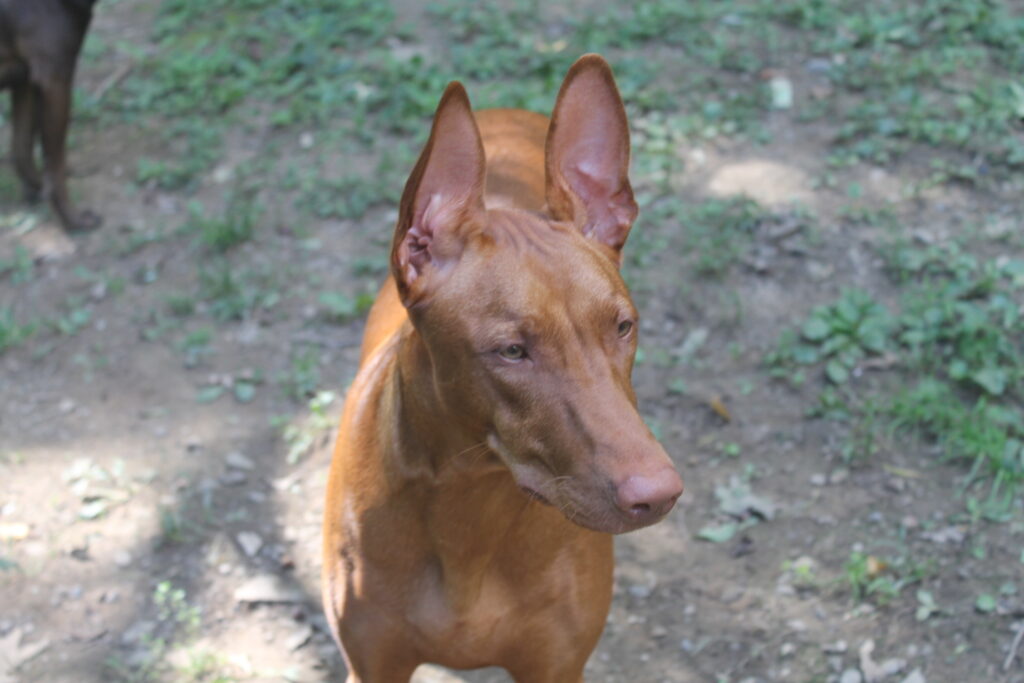
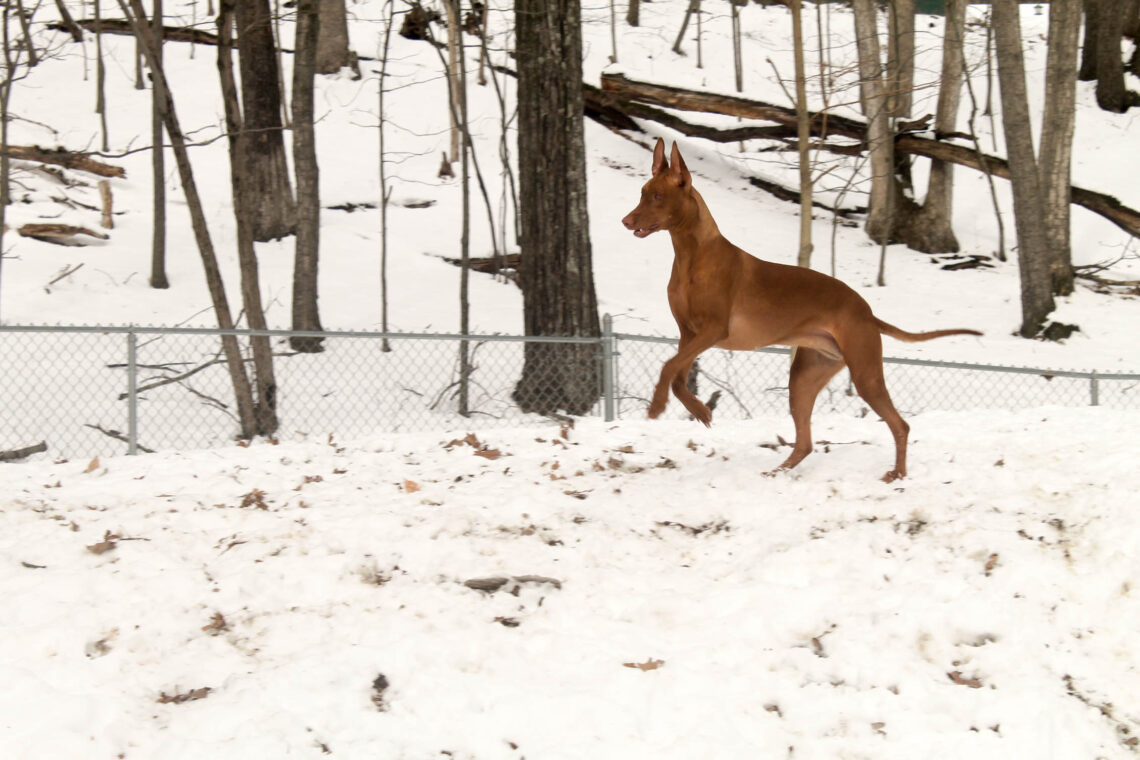
Freya is a sighthound. She’s had years of training. She’s smart. She listens to me beautifully in most situations. But the moment she locks onto something moving—especially wildlife—her brain switches tracks. Recall simply stops existing for her in that moment.
Even in our backyard, she can go from “good girl” to “laser-focused hunter” in a heartbeat. And because of that, she can never be trusted off leash out in the world. Not because she’s bad. Not because she’s untrained. But because instinct wins sometimes.
If I want her to come in, I have get in front of her (which isn’t easy when she’s running back and forth at lightning speed) and physically touch her while saying “focus” to break her concentration on her prey. Even standing RIGHT THERE, she doesn’t register my presence right away. She always looks so surprised to see me.
Why Tracking Alone Can Create a False Sense of Safety
GPS tracking collars are impressive. Being able to pull up an app and see where your dog is feels incredibly reassuring. And to be clear—they’re useful. They just aren’t enough on their own for dogs with poor recall.
Tracking is reactive by nature. It answers the question, “Where did my dog go?” It does not answer, “How do I stop my dog from leaving in the first place?”
Here’s what tracking alone does not do:
- It doesn’t slow a dog down
- It doesn’t stop them from crossing roads
- It doesn’t prevent them from entering unsafe areas
- It doesn’t help in the seconds or minutes right after escape
If a dog with poor recall bolts after a deer, they can cover an alarming amount of ground before you even realize they’re gone. By the time you’re checking a map, the risk has already happened.
Tracking is incredibly valuable after an escape. But relying on it as your primary safety plan is like wearing a seatbelt but ignoring the brakes.
GPS Trackers vs GPS Fence Collars: A Crucial Difference
Not all GPS technology does the same job, and this is where a lot of confusion happens.
A standard GPS tracker focuses on location awareness. It tells you where your dog is right now or where they’ve been.
GPS fence collars add another layer: boundary awareness.
Instead of just tracking movement, GPS fence collars create virtual boundaries. When a dog approaches or crosses those boundaries, the collar provides feedback designed to interrupt the behavior before it turns into a full escape.
For dogs with poor recall, this can be a game changer.
It’s not about replacing training or punishing instincts. It’s about giving dogs a clear, consistent signal that says, “This is where home ends,” even when their brain is busy doing something else. That extra pause can be the difference between staying in the yard and disappearing into the woods.
FYI, we have an entire post on this if you’re curious about more differences between GPS collars and trackers.

Why Old-Fashioned ID Still Matters (Even with Fancy Tech)
Here’s something no one loves to think about: technology fails.
Batteries die. Signals drop. Collars get caught on branches. Dogs slip out of gear. It happens.
That’s why physical identification is still essential, even if your dog wears the latest GPS tech.
ID tags (like these highly rated GoTags on Amazon) are simple, cheap, and incredibly effective. A phone number on a tag gives a good Samaritan an immediate way to help your dog without needing an app, a scanner, or a subscription.
These stainless-steel dog tags are designed withstand even the most active pet adventure. With 10 styles to choose from and crystal-clear laser engraving, they'll help keep your pooch safe in style.

Customized collars take this a step further by putting contact information directly on the collar itself. Even if tags fall off, the information is still there.
For dogs with poor recall—who are statistically more likely to wander farther—this redundancy matters. Most lost dogs are reunited because a person stepped in, not because an app updated.
Harnesses: An Overlooked Tool for Recall-Challenged Dogs
Harnesses don’t get nearly enough credit in recall conversations.
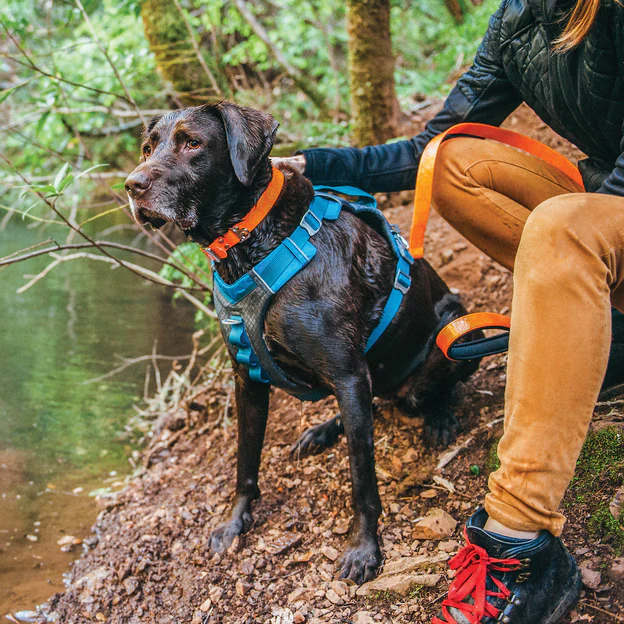
For dogs that lunge, bolt, or suddenly hit the end of a leash, harnesses can be both safer and more practical than collars. They distribute pressure more evenly and give you better control without risking neck injury.
Harnesses are especially helpful during:
- Recall training with long lines
- Transitional phases where off-leash freedom isn’t safe
- Hiking or exploring unfamiliar areas
They also provide another place to attach ID information, which adds yet another layer of protection.
For dogs like Freya, a harness isn’t about restriction—it’s about managing reality safely.
The Journey Air is a breathable harness featuring a deep V-neck that keeps the shoulders free, plus features a wide, padded chest plate that helps cut down on strain to the neck. Made with rust-free all-aluminum hardware, it comes in at a featherweight 8 oz.
Layered Safety Is What Actually Works
If there’s one takeaway from living with a dog with poor recall, it’s this: no single tool is enough.
The safest setups use layers.
That might look like:
- Training for responsiveness and engagement
- A GPS fence collar to establish boundaries
- A GPS tracker for recovery if something goes wrong
- A customized collar with visible contact info
- ID tags as backup
- A harness for control in higher-risk situations
Each layer covers a different failure point. If one thing doesn’t work, something else steps in.
This isn’t overkill. It’s realistic planning.
Yes, Training Still Matters—But It Has Limits
Recall training is important. It improves responsiveness, strengthens communication, and builds trust. But it’s also important to accept that some dogs will never be 100% reliable off-leash in every situation.
Pretending otherwise doesn’t help anyone.
Instinct is powerful. Genetics matter. Environment matters. And acknowledging those limits is not a failure—it’s responsible dog ownership.
Tools like GPS fence collars, harnesses, and physical ID don’t replace training. They support it, especially when instinct overrides obedience.
Common Mistakes Dog Owners Make With Poor Recall
Most recall-related accidents happen because of assumptions, not negligence.
Common ones include:
- Trusting technology too much
- Assuming recall will “eventually click” (Freya is 9 and it hasn’t yet)
- Skipping ID because a dog is tracked
- Letting dogs off-leash before recall is fully proofed
- Believing past success guarantees future safety
Dogs don’t fail recall on purpose. And owners don’t plan for emergencies because they expect them. They happen in the in-between moments.
Final Thoughts: Planning for Reality, Not Perfection
Freya will probably never be an off-leash dog in the world. And that’s okay.
She’s happy. She’s safe. She gets enrichment, exercise, and freedom within boundaries that respect who she is—not who I wish she were.
Tracking technology is a powerful tool, but it works best when it’s part of a bigger picture. For dogs with poor recall, safety isn’t about finding them faster after they’re gone. It’s about reducing the chances they ever leave in the first place.
Layered safety isn’t pessimistic. It’s practical. And for a lot of dogs, it’s what keeps them coming home—every single time.






Leave a Comment