




Bringing a new puppy into your life is a thrilling experience, but it’s also a commitment that requires careful thought and preparation. Puppies are adorable bundles of joy, but they’re also a lot of work, especially in the early days. To help you navigate this exciting journey, here’s everything you need to know before, during, and after buying a puppy.
FYI, this post is written in partnership with PuppySpot. However, the tips apply whether you’re buying a puppy from a breeder or adopting one from a shelter. Check out our in-depth review of PuppySpot to learn more.
PuppySpot connects responsible breeders with loving families, offering happy, healthy puppies ready to join their forever homes. With nearly 20 years of experience, rigorous health checks, and a 10-Year Health Commitment, PuppySpot ensures a stress-free process for finding your perfect puppy. Discover a trusted, USDA-licensed network dedicated to canine welfare and backed by a team that prioritizes quality and care every step of the way. Your dream puppy is just a click away!

Before Buying a Puppy
The pre-puppy phase is all about research, preparation, and making sure you’re ready for the responsibility.
1. Understand the Commitment
Puppies grow into dogs that will be part of your life for 10-15 years or more. Consider your lifestyle and future plans. Are you ready to commit to daily walks, training, grooming, and vet care?
2. Choose the Right Breed
Not all breeds are the same. Some are high-energy and need hours of exercise, while others are content to lounge around. Research breeds to find one that matches your activity level, living situation, and experience as a dog owner.
- Apartment living: Consider smaller breeds like French Bulldogs or Cavalier King Charles Spaniels.
- Active lifestyle: Breeds like Border Collies, Golden Retrievers, or Australian Shepherds are great companions for outdoor adventures.

3. Find a Reputable Breeder or Rescue
Avoid puppy mills or unethical breeders. Look for a breeder who:
- Provides health clearances for the puppy’s parents.
- Allows you to visit their facility (if local).
- Offers support and advice after purchase.
PuppySpot is a great resource here because they’ve already done the hard part. All of their breeders are vetted using a strict code of ethics and standards.

4. Budget for Expenses
Puppies are expensive. Beyond the purchase price, prepare for costs like:
- Vaccinations, spaying/neutering, and microchipping.
- Food, toys, and bedding.
- Training classes and grooming.
- Routine and emergency veterinary care.
5. Puppy-Proof Your Home
Just like toddlers, puppies are curious and prone to getting into trouble. Puppy-proof your home by:
- Securing electrical cords.
- Putting away small items that could be swallowed.
- Installing baby gates to block off unsafe areas.
During the Purchase Process
Once you’ve done your homework and are ready to bring a puppy home, the purchase process itself is crucial.
1. Ask Questions
Whether you’re buying from a breeder or adopting from a rescue, ask plenty of questions, such as:
- What’s the puppy’s medical history?
- Has the puppy been socialized?
- What kind of food has the puppy been eating?
A good breeder or rescue will also ask you questions to ensure you’re a suitable match for the puppy. Again, PuppySpot makes this process as smooth as possible for you. Every puppy goes through a nose-to-tail health check 48 hours before coming home to you.
2. Check for Red Flags
Avoid purchasing from anyone who:
- Sells puppies younger than 8 weeks old (they need time with their mother and siblings to develop properly).
- Refuses to answer your questions or dodges them in an obviously shady way.
- Refuses to let you see the facilities (if local).
If you’re buying a puppy from a breeder far away, talk to them on the phone first. Don’t just handle everything online. PuppySpot lists the breeder’s phone number on each puppy’s page. Use it. It’s just easier to get a “gut feeling” when you can actually hear someone’s voice.
3. Gather Supplies
Before bringing your puppy home, stock up on essential supplies, including:
- A good travel crate or dog bed.
- High-quality puppy food.
- Food and water bowls.
- Leash, collar, and ID tags. You can also go with a GPS dog collar for added protection. See below for our favorite.
- Toys, grooming tools, and training pads.
Marketed as the most accurate GPS dog fence available, the Halo Collar 5 lets you create, edit, and store unlimited fences (starting at 30 x 30 feet). It fits dogs with neck sizes from 8–30.5 inches. Beyond containment, it offers near pin-point GPS tracking to help locate lost dogs quickly, along with built-in training tools and activity monitoring—all in one collar.
Top Features:
- 48-hour battery life
- AlwaysOn™ GPS
- Real-time tracking
- All-carrier cellular coverage worldwide.
LIMITED TIME OFFER
SAVE $154 ON HALO COLLAR 5
Discount applied at checkout. Hurry! Ends soon!

After Bringing Your Puppy Home
The first few days and weeks with your puppy are all about bonding, training, and setting the stage for a happy life together.
1. The First 24 Hours
Your puppy’s first day home is exciting but also overwhelming for them. Here’s how to make it smoother:
- Introduce them to their new environment gradually.
- Show them their designated potty area.
- Limit visitors to avoid overstimulation.
2. Start a Routine
Dogs thrive on routine. Set a consistent schedule for:
- Feeding: Stick to the same food the breeder or shelter used at first, then transition gradually if needed. Side note- If you decide to go with raw, I highly recommend We Feed Raw. They have a wonderful transition guide.
- Bathroom breaks: Puppies need to go out frequently—after eating, playing, and waking up. If you live in an apartment, look into good indoor potty options.
- Sleep: Create a quiet, comfortable space for your puppy to rest.

3. Socialization
Proper socialization is key to raising a well-adjusted dog. Expose your puppy to a variety of people, places, and situations while they’re young. Start small and build up as they gain confidence.
Here’s a great video to get you started:
4. Begin Training Immediately
Training starts the moment your puppy comes home. Focus on these basics:
- House training: Use positive reinforcement to teach your puppy where to go potty.
- Crate training: Make the crate a safe, comfortable space.
- Basic commands: Start with sit, stay, come, and leave it.
Consider enrolling in a puppy training class for professional guidance. I’m also a huge fan of Zak George’s videos on YouTube. Here’s my favorite for basic training commands:
5. Schedule a Vet Visit
Take your puppy to the vet within the first few days to:
- Ensure they’re healthy.
- Get vaccinations up to date.
- Discuss a deworming and flea prevention plan.
Long-Term Puppy Care
Once your puppy has settled in, it’s time to focus on their long-term health, happiness, and training.
1. Ongoing Training
Training doesn’t stop after a few weeks. As your puppy grows, continue teaching new skills and reinforcing good behavior. You might also explore advanced training or fun activities like agility or obedience competitions.
2. Nutrition
Feed your puppy a balanced, age-appropriate diet. Transition to adult food when recommended by your vet, typically around 12 months for most breeds. Avoid feeding table scraps or foods toxic to dogs, like chocolate, grapes, and onions.
3. Exercise and Mental Stimulation
Puppies need both physical and mental exercise to stay healthy and happy. Daily walks, playtime, and interactive toys are great ways to keep them engaged.
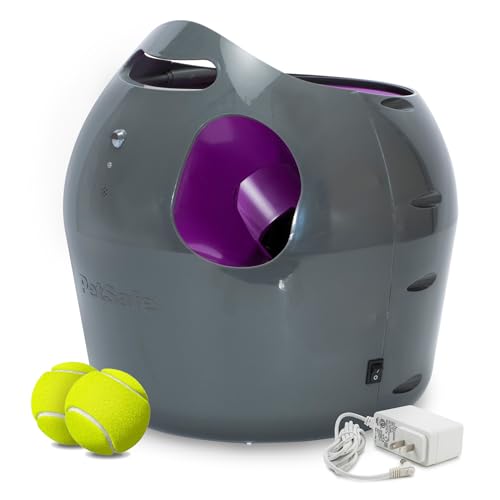
For the dog who loves fetch, gift him the toy that he’s sure to have a ball playing with — literally. The Automatic Ball Launcher is an automatic, interactive game of fetch that will keep your best friend engaged and give your arm a little break.
4. Regular Grooming
Depending on your puppy’s breed, grooming needs may vary. Some dogs need regular brushing to prevent mats, while others require professional grooming every few weeks. Keep up with nail trimming, ear cleaning, and dental care.
5. Build a Strong Bond
The more time and energy you invest in your puppy, the stronger your bond will be. Enjoy cuddles, playtime, and adventures together—you’ll be rewarded with unconditional love and loyalty.
Final Thoughts
Buying a puppy is a life-changing decision that brings immense joy and responsibility. By preparing carefully, choosing the right puppy, and providing love and care, you’ll set the foundation for a wonderful life together.








Leave a Comment