



Few things spike a dog parent’s blood pressure faster than realizing the yard gate is open… and your dog is gone. One second they’re sniffing the grass like a perfectly behaved angel, and the next? Poof. Vanished.
Dogs don’t usually run away “just because.” There’s almost always a reason—and the good news is that most of those reasons are preventable once you understand what’s driving the behavior.
Let’s break down the most common reasons dogs run away, what the latest research tells us, and what you can actually do to keep your dog safely where they belong.
TL;DR – Quick Takeaways
- • Big Picture: Most dogs run away due to fear, boredom, curiosity, or mating instincts—not because they want to leave you.
- • Most Common Triggers: Fireworks and storms, weak fencing, lack of exercise, and prey drive.
- • Prevention Matters: Daily enrichment, secure containment, and good training dramatically reduce escape attempts.
- • Safety Net: Microchipping, visible ID, QR code dog tags, and GPS collars improve recovery odds if your dog does get out.
- • Bottom Line: The best protection combines prevention and tracking—because no single solution is foolproof.
💡 Why it’s worth your scroll: Most runaway situations are predictable—and once you know the triggers, you can stop escapes before they happen.
1. Fear and Panic (Fireworks Are the #1 Culprit)
If your dog has ever bolted during a thunderstorm or fireworks display, you’re not alone. Studies consistently show that noise phobia is one of the leading causes of runaway dogs, especially around holidays like the Fourth of July and New Year’s Eve.
Common fear triggers include:
- Fireworks
- Thunderstorms
- Gunshots or construction noise
- Household chaos or unfamiliar guests
When dogs panic, they’re not thinking rationally. They’re running away from the fear, not toward safety.
💡 Pro Tip:
If your dog is noise-sensitive, don’t rely on fences alone. During high-risk events, keep them indoors and use layered protection like GPS collars in case panic overrides training.
2. Boredom and Excess Energy
A bored dog is a creative dog—and not always in a good way.
Dogs that don’t get enough physical or mental stimulation are more likely to:
- Dig under fences
- Jump gates
- Slip out doors
- Follow their nose straight into trouble
According to veterinary behavior research, under-exercised dogs are significantly more likely to engage in escape behaviors, especially working and sporting breeds.
Signs boredom may be the issue:
- Destructive behavior at home
- Excessive digging
- Constant pacing or fence running
💡 Pro Tip:
A tired dog is a less adventurous dog. Daily walks, enrichment toys, and training games can dramatically reduce escape attempts.
3. Prey Drive and Curiosity
Sometimes, it’s not fear or boredom—it’s just instinct.
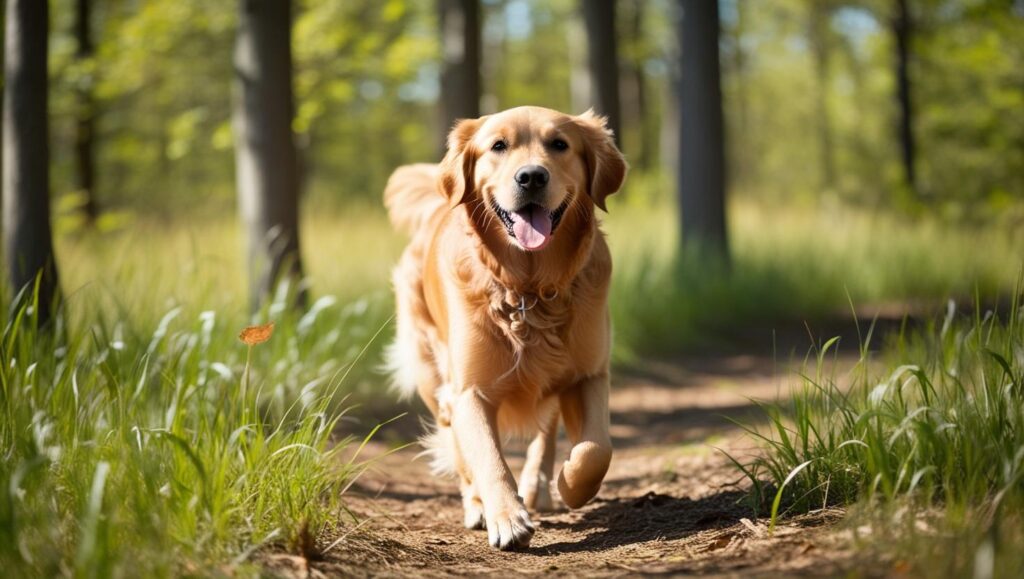
Dogs are wired to explore. A squirrel darts by, a deer crosses the yard, or a mysterious scent floats through the air, and suddenly your dog’s internal GPS switches to “must investigate immediately.”
This is especially common in:
- Hounds
- Terriers
- Herding breeds
High-risk situations include:
- Unfenced yards
- Open rural areas
- Trails and campsites
💡 Pro Tip:
Curiosity is unpredictable, which is why GPS collars are becoming so popular with adventurous dogs. They don’t prevent movement—but they give you real-time visibility when instincts take over.
You May Also Like
Traditional fences aren’t always enough—especially for determined escape artists. Here’s how GPS dog fences work and when they make sense.
Best GPS Dog Fences →4. Mating Instincts (Yes, This Is Still a Big One)
Unneutered dogs—especially males—are far more likely to roam. The scent of a dog in heat can travel miles, and no amount of “good training” fully overrides biology.
Dogs most likely to run due to mating instincts:
- Intact males
- Females in heat
- Dogs with a history of roaming
💡 Pro Tip:
Spaying or neutering doesn’t just help control pet overpopulation—it significantly reduces roaming behavior tied to hormones.
5. Weak Containment (AKA: The Fence Isn’t Enough)
Traditional fences fail more often than people realize. Dogs can:
- Dig under them
- Climb over them
- Squeeze through gaps
- Push through loose boards
And once they learn how? They’ll do it again.
This is why many pet parents now combine physical barriers with GPS-enabled solutions or wireless fences for added peace of mind.
💡 Pro Tip:
Containment should never rely on a single layer. Think fence + training + tech—not one or the other.
6. Lack of Identification (The Silent Risk Factor)
Here’s a scary stat: millions of lost dogs never make it home, often because they can’t be easily identified.
The most effective recovery tools include:
- Microchipping (essential, but passive)
- Visible ID tags
- Modern QR code dog tags, like those from Crumb, which let anyone instantly access your dog’s profile and contact info with a quick phone scan
💡 Pro Tip:
Microchips are critical—but they only work once your dog is found and scanned. QR tags and GPS collars help bridge the gap between “lost” and “recovered.”
You May Also Like
Not sure whether a microchip or a GPS collar does more to keep your dog safe? This breakdown explains what each one actually does—and what it doesn’t.
GPS Dog Collar vs Microchip →How to Prevent Your Dog From Running Away (Quick Checklist)
Here’s what actually works when it comes to prevention:
✔ Smart containment
- Secure fencing or GPS boundaries
- Supervised outdoor time
✔ Physical & mental enrichment
- Daily exercise
- Training games
- Interactive toys
✔ Identification layers
- Microchipping
- Visible ID tags
- QR code dog tags
- GPS collars for real-time tracking
✔ Training & management
- Reliable recall training
- Door and gate management
- Calm routines during stressful events
Final Thoughts: Prevention Beats Panic
Most dogs don’t run away because they want to leave you. They run because instinct, fear, or curiosity temporarily takes over.
The goal isn’t just to find your dog faster—it’s to reduce the chances they ever go missing in the first place. With better understanding, smarter tools, and a few proactive choices, you can stack the odds heavily in your favor.
Because the best reunion story… is the one you never have to tell. 🐾💛






Leave a Comment